

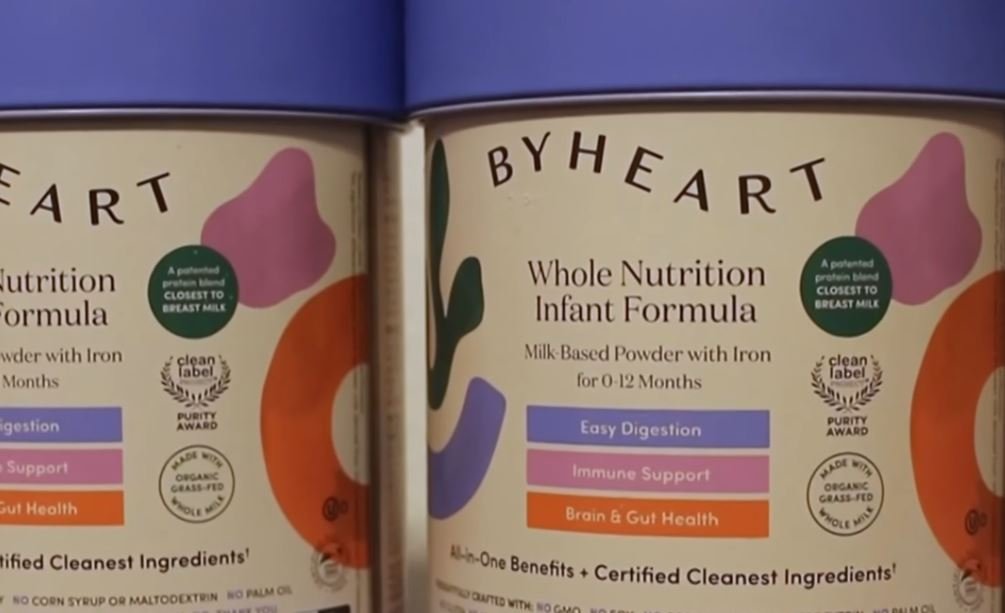
Because it affected families who relied on ByHeart’s reputation for openness and nutritional integrity, the botulism infant formula recall has developed at a rate that feels remarkably similar to an unexpected winter storm. The number of confirmed cases has increased to 31 in 15 states in recent days, which has naturally worried parents who thought they were selecting a high-end product with incredibly clear standards. Although ByHeart’s recall announcement on November 11 was made swiftly, the crisis has shown how big retail ecosystems can act like a swarm of bees—fast-moving, erratic, and highly adaptable—making it much more difficult to make sure every can is removed before a concerned parent reaches for one.
Parents described how, in the early hours of the recall, they hurried through their pantries in a panic, checking lot numbers with shaking hands. This was an intensely emotional moment that was remarkably similar to the frantic formula searches that many families went through during the 2022 shortage. Hearing that recalled cans were still showing up on store shelves caused a sharp sense of déjà vu for families who are in dire need of stability and safety for their infants, as the emotional scars from that shortage are still very much present. In an effort to establish a highly effective route for answers that could alleviate parental anxiety, the FDA and CDC initiated a coordinated investigation through strategic partnerships with state agencies.
| Key Fact | Details |
|---|---|
| Recalled Product | ByHeart Whole Nutrition Infant Formula |
| Reason for Recall | Potential Clostridium botulinum contamination |
| Date Recall Issued | November 11, 2025 |
| Confirmed Cases | 31 infants across 15 states |
| Hospitalizations | All 31 cases hospitalized |
| Retailers Found Selling Recalled Stock | Walmart, Target, other stores and online sellers |
| Primary Risk | Infant botulism, a rare but serious illness |
| Government Agencies Involved | FDA, CDC, state health departments |
| Parental Guidance | Stop usage immediately; monitor symptoms for 30 days |
| Reference Source | https://www.cdc.gov |
One mother’s admission that she felt “like she failed” when her child became ill was one of the deeply human stories shared by parents who used the ByHeart formula. This statement struck a chord with many because it encapsulates the extremely heavy guilt parents frequently feel during medical emergencies. Her candor, however, also caused a positive wave of support to spread throughout parenting communities, demonstrating how parents can remarkably effectively support one another even during terrifying outbreaks. Many caregivers observed that social media turned into an incredibly useful platform for real-time updates, sometimes offering access to correct information much more quickly than traditional channels.
Because infant botulism symptoms can take weeks to manifest, public health officials stressed that families must keep a close eye on their infants for subtle symptoms such as poor feeding, a weak cry, drooping eyelids, or a flat facial expression. These symptoms can feel incredibly ambiguous when it comes to infant health, which is why so many families have been calling state hotlines to get more information. It was especially advantageous for California to establish a dedicated helpline that is manned from 7 a.m. to 11 p.m. and provides caregivers with a direct line to qualified professionals. Through the incorporation of easier-to-follow instructions, these initiatives significantly enhanced the feeling of security in an otherwise chaotic situation.
Researchers discovered that recalled goods were still being sold in Oregon, Minnesota, and Arizona, exposing a persistent issue that has long irritated parents: the delay between formal recalls and full retail compliance. Even highly effective systems can break under pressure, as evidenced by the fact that some shelves still had the recalled product on them even though retailers claimed to have taken prompt action. A reminder that digital safeguards are not always incredibly resilient in real-world situations, this problem feels remarkably similar to previous recalls where automated systems failed to block products at checkout. Since then, parents have started recording recalled can sightings through community-driven initiatives that are incredibly successful at pointing out weaknesses in retail supervision.
ByHeart assured parents that it was dedicated to identifying the underlying cause and averting further incidents as it provided updates on its website, including confirmation that independent lab tests found Clostridium botulinum in formula samples. Although many parents voiced the understandable desire for more precise timelines as investigations continue, the statement felt particularly sincere. ByHeart had been manufacturing about 200,000 cans a month, which shows how quickly contamination can spread after a single tainted batch is distributed. In an era where supply chain pressures have frequently disrupted the infant formula industry, this realization prompted caregivers to consider the delicate balance between production speed and product safety.
Although officials pointed out that finding botulinum spores is infamously challenging, federal and state agencies have gathered leftover formula from families for testing. Many caregivers were surprised to learn that a negative result does not rule out contamination. However, specialists emphasized that BabyBIG®, a treatment for infant botulism, is incredibly effective when given quickly, providing a forward-looking outlook that offered many families a sense of cautiously grounded optimism. Clinical consultations have recommended that medical professionals start treatment as soon as symptoms match those of infant botulism instead of waiting for laboratory confirmation. This approach highlights the importance of taking prompt action.
In addition, parents have started bringing legal action, claiming that ByHeart was negligent in preventing the tainted product from reaching customers and requesting damages for emotional and medical suffering. These cases are part of a larger trend in product liability lawsuits where families seek compensation for mistakes that have affected the health of their children. Celebrity parents have commented on the situation and used their influence to increase recall notices; some of these parents have made infant care the focal point of their public personas. They have been especially helpful in directing audiences to official CDC and FDA resources, which has greatly reduced misinformation.
Families all across the country have been reminded by this disturbing incident that product recalls do not work as smoothly as we would like them to; rather, they function more like messed-up communication networks where any misalignment, whether digital or human, can have disproportionately negative effects. Nonetheless, there is a faintly optimistic tone to the way communities reacted: agencies gave frequent updates that were incredibly clear and simple to understand, parents generously shared information, and retailers promptly fixed errors after being informed.
A much-needed conversation about formula production and the expectations parents have of businesses that deal with infant nutrition is also being sparked by the recall. According to many experts, this incident may result in particularly creative quality-control measures, such as much faster tracking systems, improved lot-number scanning tools, and stronger recall alerts that are sent directly to customers without the need for retailers. These concepts are changing how businesses view transparency, and in the years to come, parents might see smarter, safer packaging and digitally connected cans that alert them to recalls instantly. This would create a very flexible safety net that significantly lowers risk.
Encouraged by health officials who stress that early detection is very effective in preventing serious complications, parents continue to keep a close eye on their infants. Unquestionably, the recall has put the caregivers’ collective fortitude to the test, but their response—organizing information, providing updates, and pushing for accountability—has shown a strength that is both admirable and remarkably resilient. Families hope that the results of the agencies’ joint investigation will change formula safety procedures and make the next generation of products much safer and more dependable.
